Introduction
Hyaluronic acid and collagen are two powerhouse ingredients found in many skincare products, each with unique benefits. But when it comes to improving your skin’s appearance and health, which one should you prioritize? As we age, the natural levels of both hyaluronic acid and collagen in our skin start to decline, leading to dryness, loss of hydration, and decreased skin elasticity. This can contribute to the formation of fine lines, wrinkles, and sagging skin.
In this post, we will dive deep into the differences between these two essential skin ingredients, explaining how each one works to maintain youthful, glowing skin. We’ll explore their individual roles, how they contribute to skin health, and how they are used in various skincare products and treatments. By the end, you’ll have a clear understanding of which ingredient might be best for your skin type and skincare goals, and how to incorporate them into your routine for maximum results.
Hyaluronic Acid: What Is It?
Definition and Overview
Hyaluronic acid is a naturally occurring carbohydrate found in your skin, eyes, and joints. As a powerful humectant, it attracts and retains water, playing a crucial role in maintaining skin moisture. This key molecule works wonders in hydrating the skin, keeping it soft, supple, and elastic. It’s an essential part of the skin's extracellular matrix, helping to maintain its structure and function.
Benefits of Hyaluronic Acid
Deep Hydration: Hyaluronic acid has the ability to hold up to 1000 times its weight in water, which allows it to draw moisture deep into the skin, delivering lasting hydration and a natural, glowing complexion.
Plumps Skin: Its moisture-retaining properties help to smooth fine lines and wrinkles, improving the appearance of skin texture and promoting a plump, youthful look.
Improves Skin Elasticity: Regular use of hyaluronic acid can help maintain and improve skin elasticity, ensuring that your skin feels firm and rejuvenated.
Supports Healing and Repair: Hyaluronic acid also helps with wound healing, making it beneficial for dry or damaged skin, by creating a barrier that aids the skin’s natural repair process.
Hyaluronic Acid in Skincare Products
Hyaluronic acid is a popular ingredient in a wide variety of skincare products, including moisturizers, serums, and masks. In these products, it draws moisture from the environment into the skin, providing instant hydration. By locking in moisture, it ensures that the skin stays smooth, soft, and hydrated for longer periods. When used topically, it acts as a moisture magnet, helping the skin appear fresh, plump, and revitalized, while also contributing to a more even skin tone.
Collagen: What Is It?
Definition and Overview
Collagen is a crucial structural protein found abundantly in your skin, providing the strength and elasticity that keeps the skin firm, smooth, and youthful. It acts as the skin’s foundation, like the scaffolding that holds the skin’s structure together. Collagen forms a network of fibers in the dermis, giving the skin its firmness and shape. As the most abundant protein in the body, it plays a key role in maintaining the overall health and appearance of your skin by supporting its integrity and resilience.
Benefits of Collagen
Collagen offers numerous skin benefits, making it an essential component in maintaining healthy, youthful skin:
Provides Structural Support: Collagen strengthens the skin, helping it stay firm and preventing sagging.
Improves Elasticity: Collagen plays a significant role in maintaining the skin’s flexibility, making it look more toned and supple.
Reduces Fine Lines and Wrinkles: By supporting skin regeneration and elasticity, collagen helps minimize the appearance of fine lines, wrinkles, and age-related sagging.
Promotes Skin Repair: Collagen helps the skin recover from damage, promoting the healing of wounds and supporting overall skin renewal.
How Collagen Works in Skincare
Collagen is essential for skin renewal, but as we age, its production naturally slows down. By the time we reach our 30s, collagen production begins to decline, which can lead to a loss of skin firmness and the formation of wrinkles. To combat this, collagen-stimulating skincare products and supplements can be used to help encourage the body’s natural collagen production. These treatments work by promoting cell turnover and helping the skin regain its firmness and resilience. By boosting collagen levels, the skin becomes more hydrated, plumper, and better able to withstand environmental stressors.
The Aging Process: Hyaluronic Acid vs Collagen
Impact of Aging on Hyaluronic Acid and Collagen
As we age, the levels of both hyaluronic acid and collagen naturally decrease in the skin. This reduction has significant consequences on the skin’s appearance and texture. When hyaluronic acid decreases, the skin becomes less hydrated, causing it to look dull and dry. Fine lines and wrinkles become more noticeable as the skin struggles to maintain moisture. On the other hand, the breakdown of collagen results in a weakening of the skin's support system. This leads to sagging, less firmness, and the deepening of wrinkles and folds, contributing to an overall loss of skin structure.
How Aging Affects Skin Hydration and Firmness
The loss of hyaluronic acid directly affects the skin's ability to retain moisture. As hyaluronic acid levels decrease, the skin loses its natural plumpness, becoming more prone to dryness, irritation, and visible fine lines. Without sufficient hydration, the skin also becomes more susceptible to environmental damage. At the same time, collagen plays a critical role in maintaining the skin’s strength and elasticity. As collagen production slows with age, the skin starts to lose its firmness and ability to bounce back from stretching, resulting in a more sagging, tired appearance. This loss of both hydration and structure makes aging skin appear thinner, more fragile, and prone to wrinkles.
Hyaluronic Acid vs Collagen – Treatment Options for Different Age Groups
Best Treatments for Younger Skin
For younger skin, hydration is usually the primary concern. Hyaluronic acid is an excellent choice for this, as it attracts moisture, helping to keep the skin plump, smooth, and dewy. Topical products, such as serums and creams, are effective for boosting hydration and preventing the early signs of aging like fine lines and dryness.
Hyaluronic acid also works well in injectable treatments. These injections deliver the substance deeper into the skin, enhancing hydration at a cellular level. This not only improves moisture retention but also helps maintain skin elasticity, resulting in a fresh, youthful appearance. For those who want to keep their skin hydrated and maintain its youthful glow, these treatments can be a great preventative measure.
Best Treatments for Mature Skin
As the skin ages, collagen production naturally slows down, which leads to sagging, wrinkles, and loss of firmness. At this stage, collagen stimulation becomes crucial for reversing or slowing down these effects. Collagen supplements, especially those enriched with peptides, are known to boost the body's natural collagen production. Regular use of such supplements can contribute to firmer skin over time, reducing the appearance of wrinkles and improving skin texture.
For more targeted results, injectable treatments that stimulate collagen production are highly effective. These treatments use substances that help restore lost volume and reduce the depth of wrinkles. Typically, a series of treatments are required, and results can last up to 2 years, providing long-lasting improvements to skin structure and firmness.
In addition to supplements and injectables, incorporating collagen-boosting products in your skincare routine can offer further benefits. Products rich in vitamin C and peptides are especially beneficial, as they help encourage collagen production and improve skin elasticity. Over time, these treatments can make the skin look firmer, more vibrant, and resilient.
Injectable Aesthetic Treatments: Hyaluronic Acid vs Collagen
Hyaluronic Acid Injectables
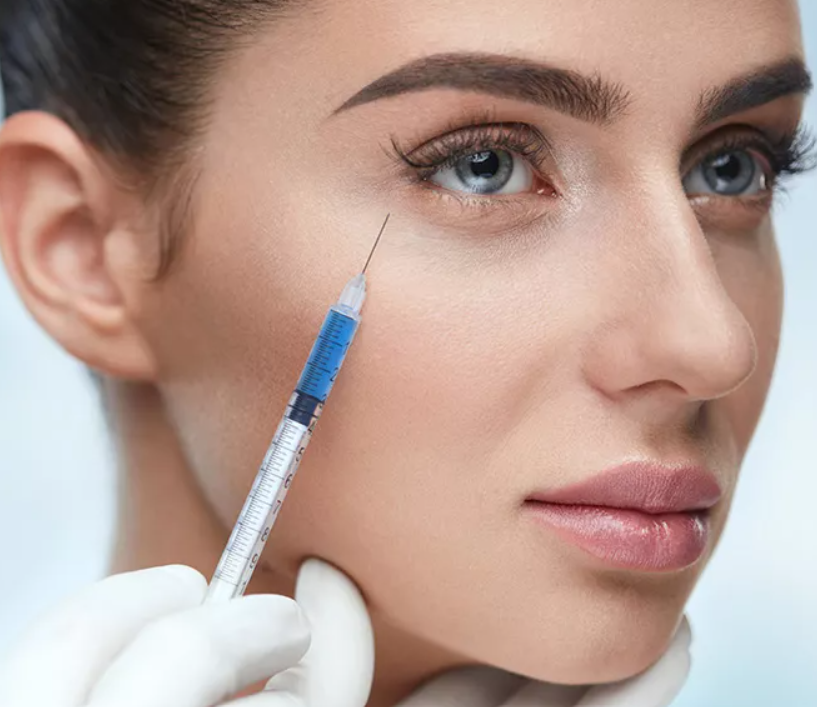
Hyaluronic acid injectables are designed to hydrate and rejuvenate the skin. These treatments involve the injection of stabilized hyaluronic acid, which stays in the skin longer than regular hyaluronic acid. This helps provide continuous hydration and improve the skin's elasticity.
The results are immediate, smoothing out fine lines and adding a natural glow to the skin. Hyaluronic acid injectables can significantly improve skin texture, making it feel smoother and more youthful, perfect for individuals seeking an instant boost in hydration and appearance.
Collagen Stimulating Injectables
Collagen-stimulating injectables use substances like poly-L-lactic acid to promote the skin's natural collagen production. These treatments encourage the skin to regenerate collagen over time, improving skin firmness and reducing sagging.
The effects are gradual, with skin becoming firmer and smoother as collagen production increases. Over a series of sessions, these injectables help restore skin structure and elasticity, offering long-lasting improvements in skin appearance.
Hyaluronic Acid vs Collagen – Which Is Better?
Factors to Consider: Age, Skin Type, and Concerns
When choosing between hyaluronic acid and collagen, it’s essential to consider your skin's needs:
Hyaluronic acid is perfect for hydrating and plumping the skin. It draws moisture from the environment and locks it into the skin, providing instant smoothness.
Collagen provides structural support and helps repair skin over time. It strengthens the skin, reducing sagging and increasing elasticity.
Both work well together. While hyaluronic acid offers hydration, collagen boosts the skin’s structural integrity.
Topical vs Supplementary Use
How you use these ingredients matters:
Hyaluronic acid is most effective when applied topically. Use it in serums or moisturizers to deeply hydrate and smooth the skin.
Collagen is more effective as a supplement. Taking collagen peptides helps the body regenerate its own collagen, promoting long-term skin strength.
Combining both can address immediate hydration and provide ongoing skin support.
Common Misconceptions: Hyaluronic Acid vs Collagen
Can Collagen Work Topically?
A common myth is that applying collagen directly to the skin can reverse aging or improve elasticity. The truth is, collagen molecules are too large to penetrate the skin's layers effectively. When applied topically, they simply sit on the surface, providing temporary hydration but not stimulating collagen production.
To boost collagen production, it's better to use ingredients like vitamin C, peptides, or retinol. These compounds support your skin's natural collagen synthesis from within, giving you longer-lasting results.
Which One Is Better for Skin?
Many people wonder whether hyaluronic acid or collagen is the better choice for their skincare routine. The answer depends on your skin's needs.
Hyaluronic acid is excellent for providing instant hydration and smoothing fine lines. It works by drawing moisture into the skin, making it look plump and refreshed. On the other hand, collagen focuses on strengthening skin structure and elasticity.
Both ingredients offer distinct benefits: hyaluronic acid hydrates, while collagen supports long-term skin repair. Understanding how each works can help you choose the right products for your skin type and concerns.
Frequently Asked Questions (FAQ)
Q: Can collagen work topically?
A: Collagen cannot effectively work topically because its molecules are too large to penetrate the skin. Instead, to stimulate collagen production, ingredients like vitamin C, peptides, and retinol should be used, as they support the skin's natural collagen synthesis from within.
Q: Which one is better for skin?
A: Hyaluronic acid is better for providing hydration and smoothing fine lines, while collagen helps with skin structure and long-term elasticity. Both have their unique benefits and can complement each other in a skincare routine.
Q: Is hyaluronic acid suitable for all skin types?
A: Yes, hyaluronic acid is non-comedogenic, making it suitable for all skin types, including oily and acne-prone skin. It hydrates without clogging pores.
Q: Does collagen supplementation improve skin elasticity?
A: Yes, collagen supplements can support skin elasticity and reduce signs of aging. They provide amino acids and peptides that stimulate collagen production, improving skin firmness.
Q: Can you combine hyaluronic acid and collagen?
A: Absolutely. Combining both in your skincare routine offers complementary benefits—hyaluronic acid hydrates, while collagen supports skin structure and elasticity for healthier, firmer skin.
Conclusion
Hyaluronic acid and collagen play different yet complementary roles in skincare. Hyaluronic acid hydrates and plumps the skin, while collagen supports its structure and elasticity. For immediate hydration, hyaluronic acid is the better choice. For long-term skin repair and firmness, collagen takes the lead. Both ingredients are essential, depending on your skin's needs.