Introduction
Did you know that hyaluronic acid, a substance naturally found in your body, plays a crucial role in skin hydration and joint health? Over time, the body’s hyaluronic acid levels decline, leading to dry skin, wrinkles, and joint pain. In this post, we’ll explore the many health benefits of hyaluronic acid, from its impact on skin moisture to its role in joint relief. You’ll learn how to incorporate it into your routine and what side effects to be aware of.
What Is Hyaluronic Acid?
Definition of Hyaluronic Acid (HA)
Hyaluronic acid (HA) is a naturally occurring substance in your body. It is found in various tissues, including the skin, joints, and eyes, and plays a critical role in maintaining hydration and lubrication.
Main Locations in the Body
Skin: HA helps retain moisture, keeping your skin hydrated and plump.
Joints: It acts as a lubricant, reducing friction between bones.
Eyes: HA keeps the eyes moist, providing lubrication to prevent dryness.
Structure and Properties of Hyaluronic Acid
Hyaluronic acid is a long-chain molecule known as a polymer. Its unique structure allows it to retain an incredible amount of water — up to 1,000 times its weight. This makes it essential for hydration, tissue repair, and joint lubrication.
In fact, a small amount of HA can hold an immense amount of water, making it one of the most effective substances for moisture retention.
Why Is Hyaluronic Acid Important for Your Health?
Hyaluronic acid is more than just a skincare trend; it plays a vital role in overall health. This naturally occurring substance is responsible for several critical bodily functions, primarily hydration and lubrication. Let’s break down its importance.
Hydration and Lubrication
One of the most impressive features of hyaluronic acid is its ability to hold water. It can retain up to 1000 times its weight in water, which makes it an excellent moisturizer for the skin and a lubricant for joints. By drawing moisture into the skin, hyaluronic acid keeps it hydrated, reducing the appearance of dryness and fine lines.
Role in Tissue Regeneration
Hyaluronic acid is key to tissue repair. When injuries occur, it helps regulate inflammation and signals the body to generate new blood vessels. This is crucial for speeding up the healing process and reducing scarring. It acts as a scaffold, providing the structure needed for tissues to grow and regenerate.
Supporting Joints and Maintaining Skin Moisture
In joints, hyaluronic acid keeps the cartilage lubricated, preventing bones from rubbing against each other and reducing pain. It’s especially helpful for people with osteoarthritis, offering pain relief and improving joint mobility. On the skin, it ensures a healthy moisture balance, leaving the skin soft, smooth, and plump.
Top 5 Health Benefits of Hyaluronic Acid
1. Hydrates and Nourishes Skin
Hyaluronic acid is a powerful hydrator that helps your skin retain moisture. By binding to water molecules, it boosts skin elasticity, keeping it soft and smooth. This helps reduce the appearance of wrinkles and fine lines. Clinical studies show that regular use of hyaluronic acid can significantly improve skin hydration, making it look fresher and plumper. Target Keyword: Hyaluronic Acid for Skin
2. Joint Health and Pain Relief
In your joints, hyaluronic acid acts as a lubricant, reducing friction between bones. This helps decrease pain and stiffness, especially for those with osteoarthritis. Injections of hyaluronic acid are commonly used to ease joint pain and improve mobility. For people experiencing joint discomfort, it can offer long-lasting relief. Target Keyword: Hyaluronic Acid for Joint Pain
3. Accelerates Wound Healing
Hyaluronic acid plays a critical role in wound recovery. It supports tissue repair and helps reduce scarring. Studies show that applying it to wounds speeds up the healing process, allowing the skin to regenerate more quickly. It also helps reduce inflammation around the affected area. Target Keyword: Hyaluronic Acid for Wound Healing
4. Reduces Symptoms of Dry Eyes
If you struggle with dry eyes, hyaluronic acid can help. Used in eye drops, it enhances moisture retention, improving comfort and reducing irritation. It’s especially beneficial for people suffering from eye dryness due to environmental factors or aging. Target Keyword: Hyaluronic Acid for Dry Eyes
5. Supports Hair Health
Hyaluronic acid isn’t just good for skin – it can benefit your hair too. By helping to retain moisture, it can improve hair texture, making it shinier and more hydrated. Although research on its effectiveness for hair is still limited, many people find it beneficial for revitalizing dry or damaged hair. Target Keyword: Hyaluronic Acid for Hair
How to Incorporate Hyaluronic Acid Into Your Routine
Hyaluronic acid is a versatile substance that can benefit your skin, joints, and overall well-being. Whether you prefer applying it topically, taking it as a supplement, or receiving injections, there are various ways to include it in your daily routine.
1. Topical Application (Serums, Creams, and Lotions)
Applying hyaluronic acid directly to the skin is one of the most common methods. It’s simple and effective for boosting hydration.
How to Apply: Gently apply serums, creams, or lotions that contain hyaluronic acid to your clean face or body. Use small, circular motions to help the product absorb better.
Best Forms: For dry skin, serums are ideal as they contain a higher concentration of hyaluronic acid. Creams and lotions are perfect for daily hydration.
How to Use Hyaluronic Acid on Skin: Always apply it to damp skin. This helps it lock in moisture for a longer period.
2. Oral Supplements
Hyaluronic acid is also available in pill or powder form, making it easy to consume.
Benefits: Taking hyaluronic acid orally supports skin hydration, reduces wrinkles, and may improve joint health.
Recommended Dosage: Most supplements recommend 120-240 mg per day. Always check the label for dosage instructions.
Hyaluronic Acid Supplements: Oral supplements are beneficial for those who prefer a less hands-on approach than topical applications.
3. Injectable Treatments
For more targeted and intensive results, hyaluronic acid injections are used in both cosmetic and medical settings.
Cosmetic Uses: Dermal fillers containing hyaluronic acid can smooth out wrinkles, add volume to lips, and restore facial contours.
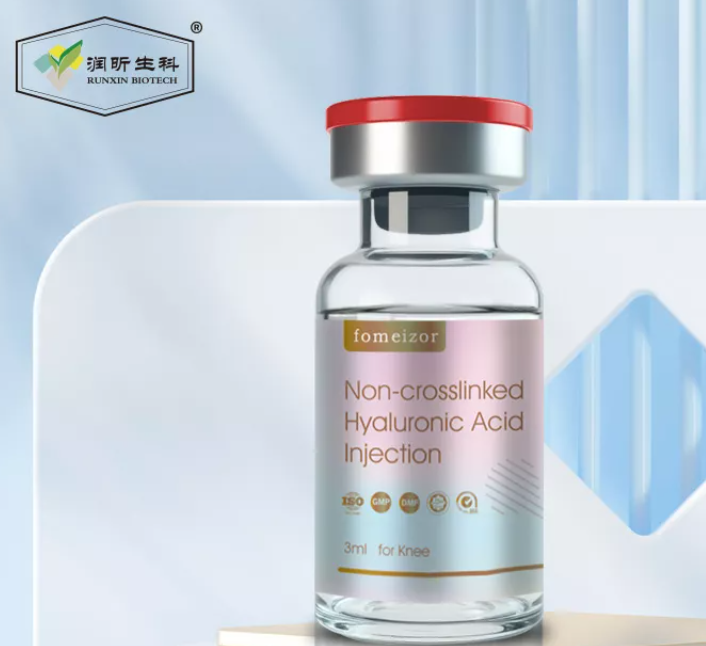
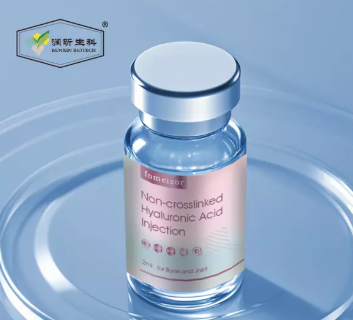
Medical Uses: Hyaluronic acid injections are often used to treat joint pain, particularly for osteoarthritis. They help lubricate the joint, reducing pain and inflammation.
Hyaluronic Acid Injections: Injections should only be administered by a qualified healthcare provider to ensure safety and effectiveness.
Potential Side Effects and Risks of Hyaluronic Acid
1. Common Side Effects
While hyaluronic acid is generally safe, some side effects can occur, especially when used in injectable forms. These include:
Pain, redness, swelling, or bruising at the injection site.
Rare allergic reactions: These may occur with topical or oral products, though they are uncommon.
Although most people tolerate hyaluronic acid well, it's important to monitor any reactions, especially after injections.
Target Keyword: Side Effects of Hyaluronic Acid
2. Who Should Avoid Hyaluronic Acid?
There are certain groups who should exercise caution when using hyaluronic acid products:
Pregnant or breastfeeding women: There isn’t enough research to confirm its safety for these groups, so it's better to consult a doctor before use.
Potential interactions: Hyaluronic acid can interact with some medications, including blood thinners or other skin treatments.
Target Keyword: Hyaluronic Acid Safety
If you have concerns or are using other treatments, always talk to your healthcare provider first.
Frequently Asked Questions About Hyaluronic Acid
Can I use hyaluronic acid every day?
Yes, hyaluronic acid can be used daily, both in your skincare routine and supplements. For skincare, you can apply serums or creams containing hyaluronic acid once or twice a day. Most people see noticeable results within 4-6 weeks of consistent use, such as improved skin hydration and elasticity. If you’re taking supplements, follow the dosage instructions, and it might take a few months to experience significant changes, like smoother skin or reduced joint pain.
What are the best sources of hyaluronic acid?
You can boost your hyaluronic acid levels naturally by eating foods rich in nutrients that help produce it. Bone broth, rich in collagen, is an excellent source. Vegetables like sweet potatoes, soybeans, and leafy greens also support its production.
Supplements like hyaluronic acid capsules or powders can help replenish the body’s levels, especially as we age. Unlike natural sources, supplements offer a concentrated dose, and you’ll notice benefits more quickly.
Is hyaluronic acid effective for acne?
Hyaluronic acid aids in skin healing, especially after acne breakouts. It helps reduce scarring by keeping the skin hydrated and speeding up tissue repair. While it isn’t a cure for acne, it can improve skin texture and minimize the appearance of acne scars. Research suggests it can effectively support the healing process but may not prevent active breakouts.
Can hyaluronic acid help with aging?
Hyaluronic acid is widely used in anti-aging treatments. Long-term use can significantly reduce wrinkles and improve skin elasticity by maintaining moisture. As hyaluronic acid helps with collagen production, it supports skin rejuvenation, making it appear firmer and younger. Regular use of hyaluronic acid, whether in creams, serums, or supplements, can slow down the visible effects of aging.
Conclusion
Hyaluronic acid offers multiple health benefits, from improving skin hydration to reducing joint pain. It helps with wound healing, reduces signs of aging, and may support eye health. Available in supplements, serums, and creams, it can be used daily for maximum results. Consult a healthcare provider before starting any supplementation.
FAQ
Q: What are the main health benefits of hyaluronic acid?
A: Hyaluronic acid hydrates the skin, relieves joint pain, and promotes wound healing. It boosts skin elasticity, reduces wrinkles, and supports eye health by alleviating dryness.
Q: Can hyaluronic acid help with acne?
A: While not a direct acne treatment, hyaluronic acid helps in skin healing and reduces scarring by keeping the skin hydrated, improving texture over time.
Q: Is it safe to use hyaluronic acid every day?
A: Yes, hyaluronic acid is safe for daily use. It hydrates the skin and joints, showing visible improvements in skin moisture and elasticity within a few weeks of regular use.