Sodium hyaluronate in serums, creams and skincare products
If you are selecting sodium hyaluronate for skincare products, you can begin with the product type and the intended user experience, and then consider how the raw material performs in different product formats. Sodium hyaluronate can be used in toners, mists, serums, lotions, creams, gels and mask products, but the key considerations are not exactly the same for every format. It may influence the product’s moisturizing feel, lubricity, silky feel and film-forming feel, and also contributes to how the product’s lightness, spreadability and after-feel are perceived.
1. What Is the Main Role of Sodium Hyaluronate in Skincare Products?
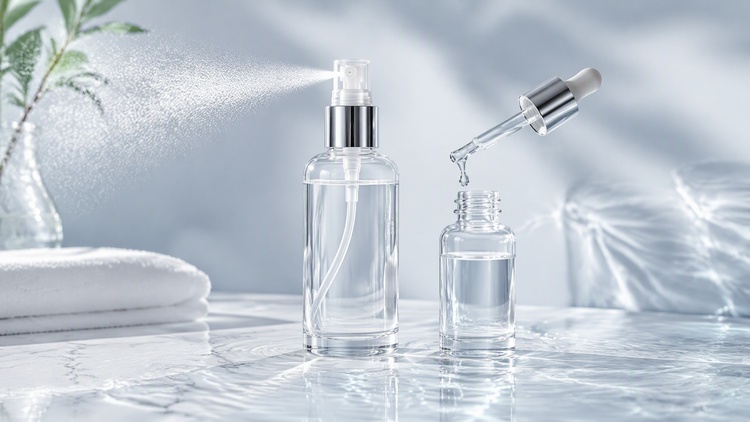
The use of sodium hyaluronate in skincare can be understood from several perspectives, including moisturizing feel, lubricity, silky feel and film-forming performance in the aqueous phase. It is not simply a label for a “hydrating” ingredient; it also contributes to the overall user experience when the product comes into contact with the skin.
The sense of moisture when a product touches the skin is one of the most noticeable aspects of sodium hyaluronate’s value. Skincare products containing sodium hyaluronate generally provide a certain level of hydration during application, but the degree of moisture still depends on the product texture and overall formulation. Lightweight aqueous products often emphasize immediate hydration and a light feel, while lotions, creams and mask products may place greater emphasis on balancing moisture with a richer, more emollient feel.
Lubricity is mainly reflected in whether the product feels smooth during application, spreads easily and can cover the skin evenly. The silky feel and film-forming feel are more noticeable after use—for example, whether the skin feels smooth and soft, or whether there is a distinct film or residue. You can consider these experiences separately to understand why the same sodium hyaluronate raw material may perform differently in different product formats.
Therefore, when comparing sodium hyaluronate for skincare, it is not enough to look only at the ingredient name. You can also confirm whether the available information specifies the intended product types and application directions, and then consider the potential user experience in relation to your product positioning.
2. Why Is Sodium Hyaluronate Commonly Used in Toners and Mists?

Toners and mists generally emphasize clarity, an immediate moisturizing feel, comfort after spraying and smoothness during subsequent application. Sodium hyaluronate can provide these water-based products with a gentle moisturizing feel and a certain level of lubricity, making it suitable for skincare products that need to feel hydrated without becoming overly heavy.
Toners generally have a fluid, water-based texture. They need to be easy to dispense, apply or pat onto the skin while creating a relatively lightweight moisturizing feel on the skin’s surface. When selecting sodium hyaluronate for this type of product, you can focus on whether it is suitable for lightweight, clear skincare products and whether the relevant information describes the raw material’s basic dissolution performance and application directions. For mist products, in addition to the moisturizing feel, you can consider comfort after spraying and whether the feel remains natural when serum, lotion or cream is applied afterward.
Transparency is another application detail worth understanding in water-based products. For toners or mists that emphasize a clear appearance, the solution state and visual performance of the raw material may affect how you assess the product’s appearance. Batch consistency is also important because stable raw material performance helps maintain consistent appearance and user experience across different product batches.
If you need to evaluate the relevant sodium hyaluronate, you can review its skincare application directions, dissolution performance, transparency information and batch consistency. This information can help you determine whether the raw material meets the basic appearance and user-experience requirements of a water-based product.
3. What Role Does Sodium Hyaluronate Play in Serums?
Sodium hyaluronate can provide serums with lubricity, a soft and emollient feel, a moisturizing feel and good spreadability during application. When selecting a raw material for a serum, it is necessary to consider the serum’s texture and product positioning in order to understand the application value of sodium hyaluronate in different types of products.
Lightweight aqueous serums generally emphasize a light texture, easy spreading and a non-heavy after-feel. For these products, you can focus on whether the product feels smooth during application, spreads evenly and avoids leaving an overly heavy residue. Even when a serum provides a noticeable moisturizing feel, it does not necessarily need to feel heavy or strongly occlusive.
Moisturizing serums place greater emphasis on a moist and soft feel. Sodium hyaluronate can provide a hydrating base for these products, making application smoother and helping create a more comfortable skin feel. Gel-serums fall between aqueous serums and gel products, and generally need to balance moisture, slip and comfort after use.
The selection should be based on the serum’s texture and product positioning rather than on the ingredient name “sodium hyaluronate” alone. If you are comparing different samples, you can compare their performance with the lightweight, soft or moderately enveloping feel desired for the product. This makes it easier to determine whether the raw material’s application direction meets the actual product requirements.
4. What Is the Role of Sodium Hyaluronate in Lotions and Creams?
Sodium hyaluronate in lotions, creams and emulsions works together with the product’s richness, softness, thickness and spreadability to influence the user experience. Because these products generally have a more developed overall texture, the moisturizing feel provided by sodium hyaluronate should be understood within the complete product experience.
Lotions generally place greater emphasis on lightness, moisture and easy spreading. Sodium hyaluronate can provide lotions with a hydrated and silky feel, but the final performance also develops together with the product’s thickness, spreadability and after-use residue. For lightweight lotions, you can consider whether the moisturizing feel is natural and whether the product remains light after application. For richer lotions, you can further consider whether the moisturizing and soft feels remain balanced.
Creams and emulsions generally have more noticeable richness and an enveloping feel than lotions. The application value of sodium hyaluronate in these products may be reflected in smooth application, a soft after-feel and compatibility with the product’s overall richness. A cream does not simply become better by feeling heavier; the raw material’s performance should match the fresh, soft or nourishing experience the product is intended to provide.
When selecting a raw material, you can check whether the application information covers lotions and creams, and then compare the sample performance with the desired product feel. This helps you understand the match between the raw material and the product positioning rather than judging whether sodium hyaluronate is “good” in isolation.
5. Why Is Sodium Hyaluronate Also Suitable for Gel and Mask Products?
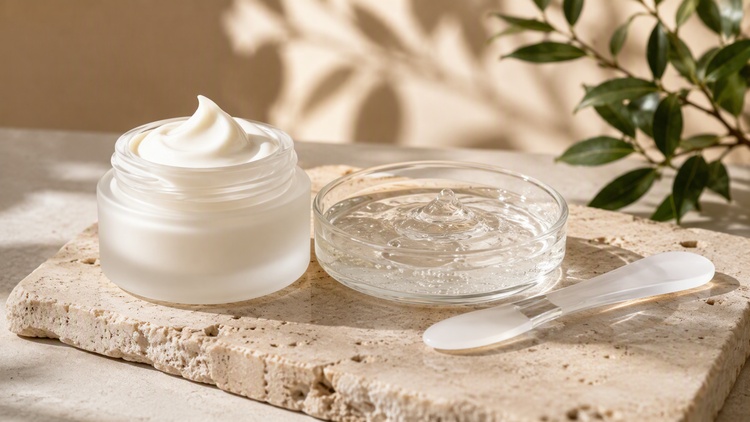
Sodium hyaluronate in gel and mask products is mainly related to moisture, slip, smooth application, comfort during use and the skin feel after use. Clear gels, hydrating gels, rinse-off masks and mask essences are used in different ways, so the application performance of the raw material should not be evaluated from exactly the same perspective.
For clear and hydrating gels, appearance and sensory feel are usually important. You can consider whether the product maintains a clear visual appearance, whether it provides an appropriate level of slip during application and whether it leaves the skin feeling hydrated without feeling heavy. Gel products need to balance a moisturized feel with ease of use, because excessive residue may affect the subsequent user experience.
Rinse-off masks generally place greater emphasis on spreadability, moisture during use and the skin feel before and after rinsing. Sodium hyaluronate can contribute to the moisturizing and silky feel of a mask, but the final experience should still be considered together with the overall product texture. Mask essences need to balance wetting, comfort during application and a soft after-feel, so the raw material’s application direction should match the specific product format.
When comparing sodium hyaluronate for gel or mask products, you can assess raw material suitability according to the specific product format and intended experience. A single specification should not replace an understanding of the product’s overall sensory feel.
6. What Information Should You Focus on When Comparing Sodium Hyaluronate for Different Skincare Products?
When comparing sodium hyaluronate for different skincare products, you can focus on the raw material grade, basic appearance, dissolution performance, suitable product types, application information, sample condition and batch consistency. These details can help you determine whether the raw material meets the requirements of the intended product format and product concept.
First, you can confirm whether the information clearly covers toners, mists, serums, lotions, creams, gels or masks. Different product formats emphasize different aspects of raw material performance: water-based products place greater emphasis on clarity and flow, serums on lubricity and spreadability, lotions and creams on moisture and softness, and gels and masks on application, use and after-feel.
You can also check whether the basic appearance and solution performance of the raw material meet the basic requirements of the intended product. For products that emphasize a clear appearance, transparency information can be useful. For products that require a pleasant application feel, relevant application descriptions and sample condition are also worth reviewing. In addition, the completeness of the application information and the consistency of batch data are important references when comparing samples.
If you need to assess raw material suitability further, you can compare the intended product format, desired skin feel, raw material information and sample performance together. This information can reduce the uncertainty that comes from selecting a raw material based only on its name or a single specification.
7. Is the Role of Sodium Hyaluronate in Skincare Limited to Moisturizing?
The role of sodium hyaluronate in skincare is not limited to moisturizing. In addition to a moist feel, you can also consider its possible influence on lubricity, film formation, silky feel, spreadability and after-feel.
Moisturizing feel is mainly reflected in the hydrated sensation produced when the product comes into contact with the skin. Lubricity and spreadability are reflected in whether the product feels smooth during application and can be distributed evenly. Film-forming and silky sensations are more noticeable after application, such as whether the skin feels soft and smooth or whether a distinct film or residue remains.
Different products place different levels of importance on these experiences. Toners and mists generally emphasize lightness, clarity and immediate moisture; serums need to balance hydration with spreadability; lotions and creams place greater emphasis on the relationship between moisture and softness; and gels and masks require attention to application, use and comfort afterward.
Raw material function and the final product experience are not exactly the same concept. Sodium hyaluronate can provide a foundation for certain application benefits, but its final value still needs to be understood in relation to the specific product format, product positioning and intended user experience.
8. How Can You Determine Whether Sodium Hyaluronate Is Suitable for Your Skincare Product?

You can assess whether sodium hyaluronate is suitable for your product by following the sequence “identify the product format—define the desired skin feel—review the information—compare samples—confirm consistency.” This process helps connect raw material information with the actual requirements of the product.
First, identify the product type. Whether sodium hyaluronate will be used in a toner, mist, serum, lotion, cream, gel or mask affects which application characteristics need the most attention. Next, define the desired experience. It is important to clarify whether the product should feel fresh, moist, soft, silky or slightly film-forming.
You can then check whether the relevant raw material information covers the intended product format and review its basic appearance, dissolution performance, application direction and sample information. After obtaining samples, you can compare the product format, expected skin feel, sample performance and batch consistency rather than relying on a single name or specification.
The final selection should match your product type, target skin feel and actual application requirements. Only by considering product positioning, application information and sample performance together can you more accurately determine whether sodium hyaluronate is suitable for a specific skincare product.
9. Conclusion
When purchasing or evaluating sodium hyaluronate for skincare, you can consider its application value separately in toners, mists, serums, lotions, creams, gels and masks. The performance of sodium hyaluronate is not exactly the same in every product format and may be reflected in moisturizing, lubrication, film formation, a silky feel and an improved after-feel.
You can first define the product type and intended user experience, and then assess raw material suitability together with the application information, sample performance and batch consistency. The final selection should remain consistent with the product positioning and actual application requirements.
Further Reading
For a broader understanding of the basic role of sodium hyaluronate in skincare and related applications, you can read the relevant Runxin Biotech introduction, which covers its moisturizing and lubricating properties as well as different application directions:
Sodium Hyaluronate Benefits, Applications and Uses in Skincare and Pharmaceuticals
To distinguish sodium hyaluronate for skincare from raw materials intended for other uses, you can read the introduction to different hyaluronic acid grades, which explains application directions such as cosmetic, food and pharmaceutical grades:
What Are The Different Grades of Hyaluronic Acid
For an overview of the basic properties and water-retention performance of sodium hyaluronate powder, you can read the related powder introduction as supplementary material for understanding the application background of this skincare raw material:
What are the benefits of sodium hyaluronate powder