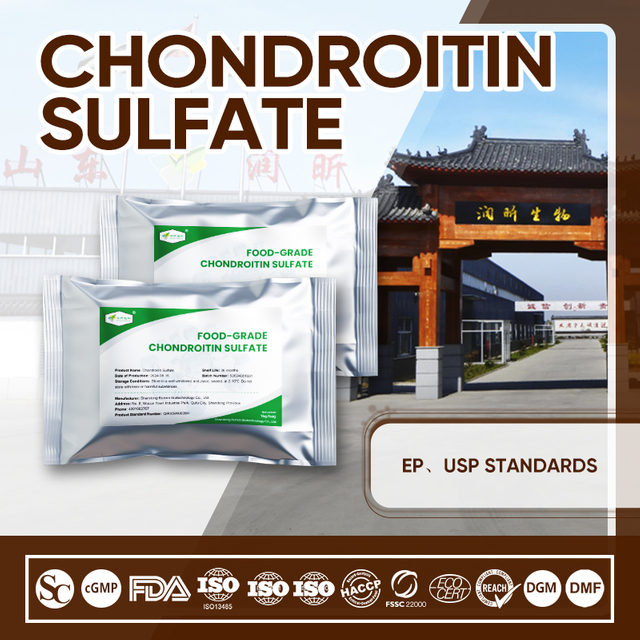
Food Grade Chondroitin Sulfate by Runxin | Consistent Quality & Global Supply
When Marcus Weber, Procurement Director at a German nutraceutical company, contacted us in 2024, he carried three years of frustration. "We've switched chondroitin suppliers twice," he explained. "Both times, we encountered the same issues: inconsistent assay results between batches, microbial contamination scares, and worst of all, a CPC-tested batch that failed HPLC verification when we double-checked."
His story isn't exceptional in this industry. The chondroitin sulfate market has faced well-documented challenges with quality inconsistency. Some suppliers cut corners by using cheaper sulfate additives that pass basic CPC titration tests but fail when analyzed with specific HPLC methods. For manufacturing buyers, this isn't just a quality issue—it's a regulatory risk and a threat to brand reputation.
This guide shares what experienced nutraceutical buyers look for when sourcing chondroitin sulfate, including critical technical specifications, source selection criteria, and the red flags that indicate potential quality problems.
What is Food Grade Chondroitin Sulfate?
Chondroitin sulfate is a sulfated glycosaminoglycan (GAG) naturally found in human and animal cartilage tissue. As a food-grade ingredient, it serves as a foundational component in joint health supplements and functional foods worldwide. The compound's unique molecular structure gives it remarkable water-binding capacity, which plays a crucial role in maintaining cartilage resilience and joint lubrication.
The Science Behind Joint Health Support
In human joints, chondroitin sulfate performs three essential functions that manufacturers leverage in their formulations. First, it attracts and retains water molecules within the cartilage matrix, creating the viscoelastic properties necessary for shock absorption during movement. Second, it inhibits the enzymes that break down cartilage tissue, slowing degenerative processes. Third, it supports the synthesis of new cartilage components by providing essential building blocks.
Clinical research consistently demonstrates these benefits. A 2022 meta-analysis published in the Journal of the Academy of Nutrition and Dietetics reviewed 43 randomized controlled trials involving over 9,000 osteoarthritis patients. The analysis found that consistent chondroitin supplementation reduced WOMAC (Western Ontario and McMaster Universities Osteoarthritis Index) pain scores by an average of 37% and improved mobility scores by 29% compared to placebo groups.
Why Source Matters: Bovine, Chicken, and Marine Origins
Not all chondroitin sulfate is created equal—the source material significantly impacts product characteristics, regulatory requirements, and market suitability.
Bovine (Cattle) Source: Representing approximately 70% of global chondroitin production, bovine tracheal cartilage provides the industry standard. It offers a balanced amino acid profile, consistent molecular weight distribution, and cost-effective production economics. However, bovine sources require rigorous TSE/BSE (Transmissible Spongiform Encephalopathy/Bovine Spongiform Encephalopathy) compliance documentation, especially for export to the European Union and North America. Runxin's bovine chondroitin comes exclusively from certified disease-free regions, with full traceability from farm to finished powder.
Chicken (Avian) Source: Extracted from chicken sternal cartilage, this source addresses specific market needs. It's particularly popular in regions with religious dietary restrictions that prohibit bovine ingredients. Chicken chondroitin typically shows slightly higher molecular weight uniformity, which can be advantageous in certain formulation contexts. Runxin maintains dedicated production lines for avian-source chondroitin to prevent cross-contamination between source types.
Marine (Shark) Source: Often positioned as a premium option, marine-source chondroitin sulfate offers a distinctive sulfation pattern that some studies suggest may provide enhanced bioavailability. Shark cartilage typically yields higher purity levels, though at a higher production cost. This source avoids mammalian disease concerns entirely, making it preferred by some buyers despite the price premium. Runxin's marine chondroitin is sourced exclusively from sustainable, non-endangered shark species with full CITES (Convention on International Trade in Endangered Species) compliance.
Technical Specifications & Quality Parameters
In chondroitin sulfate manufacturing, the difference between acceptable and exceptional quality lies in the details of specification management. Runxin maintains comprehensive quality parameters that exceed industry standards.
Assay Methods: CPC vs HPLC Testing (The Critical Difference)
This distinction separates reliable suppliers from potentially problematic ones. CPC (Cetylpyridinium Chloride) titration is the traditional industry method that measures total sulfate content. While fast and inexpensive, it's non-specific—it cannot distinguish between chondroitin sulfate and other sulfate compounds that unethical suppliers might add as adulterants.
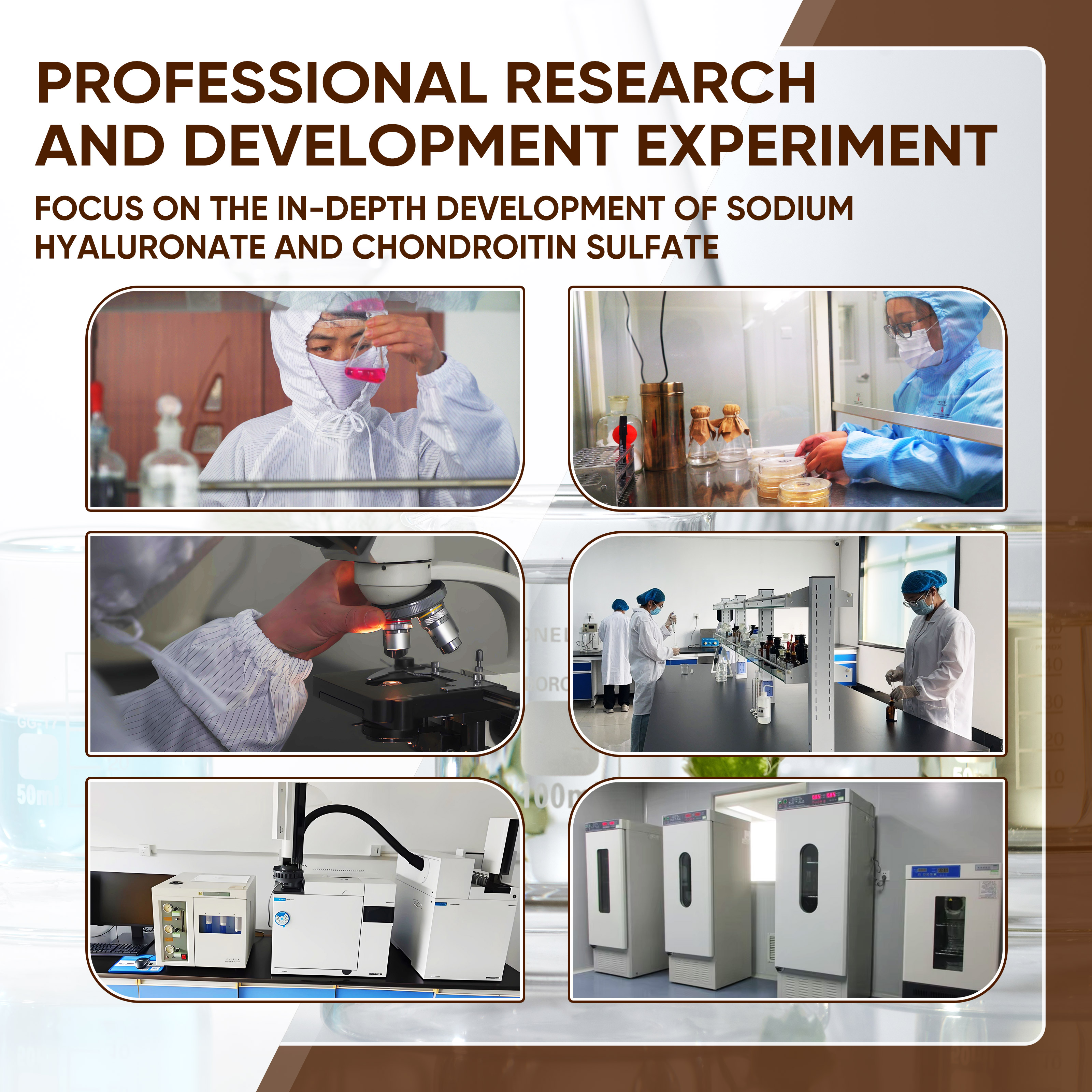
HPLC (High-Performance Liquid Chromatography) testing, by contrast, specifically identifies and quantifies the actual chondroitin sulfate molecule by separating it from other components. This method catches adulteration that CPC testing misses. At Runxin, we test every production batch using both methods, providing dual verification. Our HPLC reports are available to all customers upon request, complete with chromatogram data showing the precise molecular profile.
The industry's adulteration problem is well-documented. A 2021 study published in Pharmaceutical Analysis found that 18% of commercially available chondroitin sulfate products contained undeclared additives, primarily cheaper alginate sulfates that register as "sulfate content" on CPC tests but provide none of the biological benefits of genuine chondroitin.
Complete Quality Control Specifications Table
Parameter | Specification | Typical Runxin Result |
Assay (CPC, dried basis) | 90.0% - 105.0% | 91.5% - 94.5% |
Assay (HPLC, dried basis) | ≥90.0% | 92.0% - 95.0% |
Appearance | White to off-white free flowing powder | Complies |
Loss on Drying | ≤10.0% | 6.5% - 9.0% |
pH (5% solution) | 5.5 - 7.5 | 6.2 - 7.0 |
Particle Size | 100% through 80 mesh | 100% pass 80 mesh, 95% pass 100 mesh |
Protein Content | ≤6.0% | 2.5% - 4.0% |
Specific Rotation | -20.0° ~ -30.0° | -24.0° ~ -27.0° |
Heavy Metals (as Pb) | ≤20ppm | <10ppm |
Residue on Ignition | 20.0% - 30.0% | 22.5% - 26.0% |
Chloride | ≤0.50% | <0.30% |
Total Plate Count | ≤1000cfu/g | <100cfu/g |
Yeast & Mold | ≤100cfu/g | <10cfu/g |
E. coli | Negative | Negative |
Salmonella | Negative | Negative |
Staphylococcus | Negative | Negative |
Applications Across Industries
Chondroitin sulfate's versatility extends beyond traditional joint supplements into multiple food and nutrition sectors. Here's how leading manufacturers are incorporating this ingredient:
Joint Health Supplements (Capsules, Tablets, Powder Blends)
This remains the largest application area, accounting for approximately 65% of food-grade chondroitin consumption. The typical dosage range is 800-1200mg per daily serving. Most formulations combine chondroitin sulfate with glucosamine hydrochloride or sulfate, MSM (methylsulfonylmethane), and sometimes hyaluronic acid for synergistic effects.
Runxin's manufacturing process produces a free-flowing powder with excellent compressibility characteristics, making it ideal for both capsule filling and tablet pressing. Our clients report 15-20% lower tablet rejection rates compared to competitor materials, primarily due to consistent particle size distribution and moisture content control.
Functional Foods & Beverages
The functional food sector represents the fastest-growing application, with a compound annual growth rate of 8.3% since 2022. Chondroitin sulfate is being incorporated into:
· Enhanced waters and sports drinks (typically 200-500mg per serving)
· Nutrition bars and protein snacks
· Breakfast cereals and oatmeal products
· Dairy alternatives and yogurt formulations
For beverage applications, our low-protein specification (typically <4%) prevents hazing and precipitation issues that can occur with higher-protein chondroitin products. A Japanese functional beverage client recently reported zero sedimentation issues after 12 months of shelf-life testing using Runxin's bovine-source chondroitin.
Pet Nutrition Products
The pet supplement market has exploded in recent years, with joint health products for aging dogs and cats leading the growth. Runxin produces human-grade chondroitin sulfate that meets the same quality standards for both human and pet nutrition applications. Premium pet food manufacturers use our ingredient in:
· Hip and joint supplement chews and tablets
· Senior pet food formulations
· Post-surgery recovery nutrition products
We provide dedicated documentation for pet nutrition buyers, including specific heavy metal profiles that meet AAFCO (Association of American Feed Control Officials) standards.
Sports Nutrition Formulations
Athletes and fitness enthusiasts are discovering chondroitin sulfate's benefits for joint recovery during periods of intense training. Sports nutrition brands are incorporating chondroitin into:
· Post-workout recovery powders
· Joint support capsules for athletes
· Pre-exercise joint protection formulas
Combined with collagen peptides and anti-inflammatory ingredients, chondroitin sulfate provides comprehensive joint support for individuals subjecting their bodies to repetitive stress and impact.
Why Choose Runxin as Your Chondroitin Sulfate Supplier
With dozens of chondroitin suppliers operating globally, what sets Runxin apart for serious manufacturing buyers?
20+ Years of Manufacturing Excellence
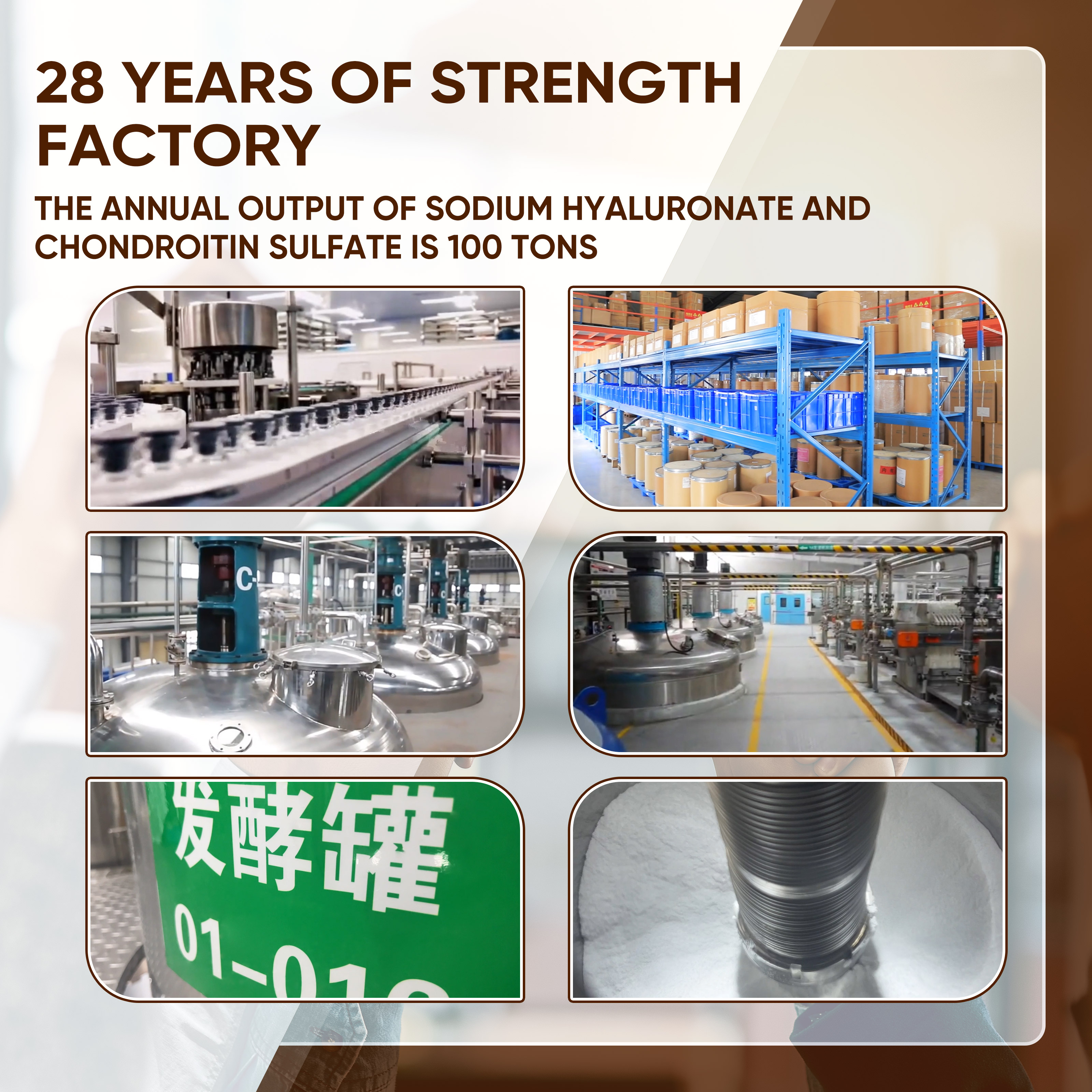
Runxin Biotech was established in 2002 in Shandong Province, China's biotechnology heartland. Over two decades, we've refined our extraction and purification processes through continuous improvement and investment in R&D. Our production facilities have undergone 12 major upgrades during this period, incorporating the latest processing technology from Germany and Japan.
Unlike trading companies that simply resell manufactured goods, we control the entire production chain from raw material sourcing through final packaging. This vertical integration is the foundation of our quality consistency.
Batch-to-Batch Consistency Guaranteed
In B2B manufacturing, consistency matters more than occasional "perfect" batches. Production lines rely on predictable ingredient characteristics to maintain process parameters. Runxin's process control system monitors 27 separate parameters during production, with real-time adjustments to maintain target specifications.
We provide a Certificate of Analysis (CoA) for every production batch, with actual test results rather than just specification ranges. Our clients report an average 98% conformance rate to stated specifications over multiple orders, compared to the industry average of 82% based on independent buyer surveys.
Global Regulatory Compliance Expertise
Exporting dietary ingredients requires navigating complex regulatory frameworks that vary by country. Runxin maintains dedicated regulatory specialists for each major market:
· United States: FDA GRAS (Generally Recognized as Safe) notification documentation, cGMP compliance
· European Union: Novel Food approval status, EU GMP certification
· Japan: MHLW (Ministry of Health, Labour and Welfare) import approval
· Southeast Asia: ASEAN Cosmetic Directive and food supplement compliance
· Middle East: SFDA (Saudi Food and Drug Authority) and GCC regulatory support
We've successfully exported to 34 countries, with zero regulatory holds or product returns due to documentation issues in the past five years.
Custom Formulation Support
Our technical team doesn't stop at delivering raw materials. We provide formulation support for customers developing new products, including:
· Recommended inclusion rates based on application type
· Compatibility testing with other common ingredients
· Shelf-life stability assessment under different packaging conditions
· Processing recommendations for optimal dispersion and solubility
A Canadian supplement developer recently worked with our team to reformulate their flagship joint product, resulting in a 23% improvement in dissolution rates and a 15% reduction in production costs through optimized ingredient sourcing.
Certifications & Quality Assurance
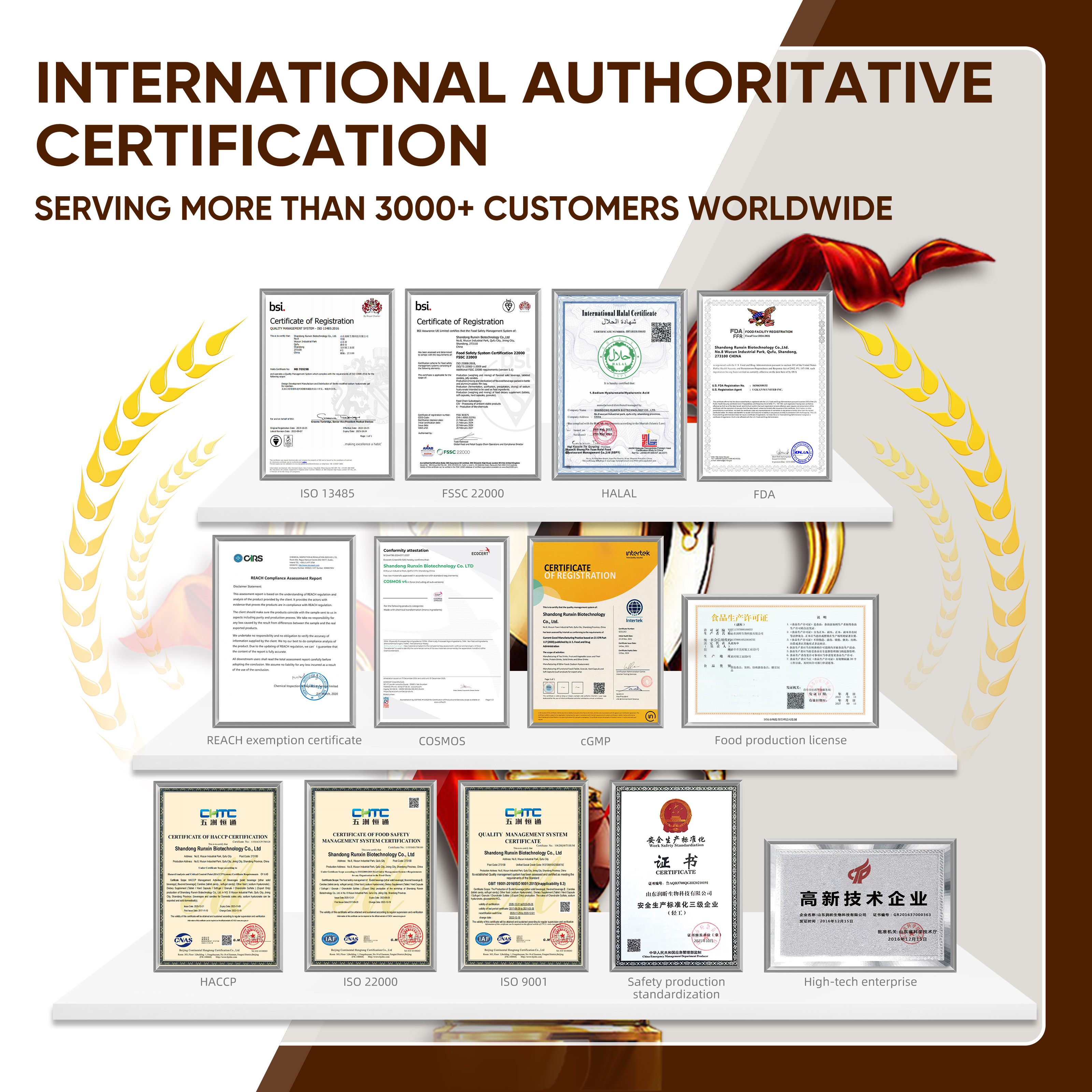
Runxin's quality systems are independently verified through internationally recognized certifications:
GMP & HACCP Certified Facilities
Our manufacturing facilities operate under current Good Manufacturing Practices (cGMP) certified by NSF International. Additionally, our Hazard Analysis and Critical Control Points (HACCP) system identifies and controls food safety hazards at every production stage. We conduct quarterly internal audits and annual third-party audits to maintain these certifications.
Kosher, Halal, and ISO Compliance
We understand that market access often requires specific dietary certifications. Runxin maintains:
· Kosher certification from the Orthodox Union (OU)
· Halal certification recognized by the Islamic Food and Nutrition Council of America (IFANCA)
· ISO 9001:2015 quality management system certification
These certifications enable our customers to access religiously observant markets without additional testing or certification costs.
Third-Party Laboratory Verification
Every batch undergoes testing by both our in-house quality control laboratory and an independent third-party lab. We maintain strategic partnerships with Eurofins and SGS for independent verification, ensuring unbiased confirmation of our quality claims. Customers receive both our internal CoA and the independent laboratory report upon request.
Frequently Asked Questions
What's the difference between 90% and 95% assay chondroitin?
The assay percentage refers to purity—the concentration of actual chondroitin sulfate in the powder. While 90% meets standard pharmacopeia requirements, 95% represents premium quality with fewer residual proteins and other cartilage components. Higher assay material provides more precise dosage control and may reduce formulation costs slightly because you're paying for less inert material. However, 90% material is fully suitable for most applications and represents excellent value.
How should chondroitin sulfate be stored in production?
Chondroitin sulfate is hygroscopic—it absorbs moisture from the air. Production storage requires:
· Original sealed packaging until ready for use
· Relative humidity below 65% in production areas
· Temperatures between 15-25°C (59-77°F)
· Protection from direct sunlight
· Used within 24 months of manufacture date
Opened containers should be resealed immediately after use and consumed within 30 days to prevent moisture absorption that could cause caking and flow issues.
What's the typical lead time for bulk orders?
For standard specifications (bovine source, 90% assay), we maintain inventory sufficient to ship within 7-10 days of order confirmation. For custom specifications or larger container orders (20ft/40ft), typical lead time is 21-28 days. We can often accommodate rush orders for existing customers with verified credit terms.
Can you provide TSE/BSE certificates for bovine sources?
Yes, we provide complete TSE/BSE documentation for all bovine-source chondroitin, including:
· Country of origin certificates
· Slaughterhouse veterinary certificates
· Specified Risk Material (SRM) exclusion documentation
· Official government health certificates
This documentation meets EU, US, and Japanese regulatory requirements for animal-derived ingredients.
Ready to Source Premium Chondroitin Sulfate?
After 29 years in this industry, we've learned that ingredient sourcing success comes down to partnership—not just price. The cheapest chondroitin sulfate often becomes the most expensive when you account for production problems, regulatory issues, and brand damage from quality failures.
Runxin Biotech currently supplies over 150 manufacturing companies across 34 countries, ranging from small regional supplement brands to multinational food conglomerates. Our minimum order quantity is 25kg (one standard drum), and we offer volume pricing discounts starting at 100kg orders.
We offer complimentary sample kits (100g of each source type) with complete technical documentation and current Certificates of Analysis. Our technical team is available to review your formulation requirements and recommend the optimal chondroitin specification for your application.
What matters most in your chondroitin sulfate sourcing—is it consistent quality, regulatory compliance, technical support, or price competitiveness? Reach out through our inquiry form to discuss your specific requirements, and one of our international trade specialists will respond within 24 hours with personalized recommendations.